How Often Should You Inspect Your Crawl Space?
How often should you inspect your crawl space in McLean VA? Twice a year minimum, quarterly if you've had moisture. Here's the schedule that stops mold.
You should inspect your crawl space at least twice a year, and quarterly if your home has had moisture problems before. In McLean, Virginia, that means one inspection in late fall before winter and one in early spring after the ground thaws. If you have ever found mold, standing water, or a musty smell down there, bump it to four times a year.
That is the short answer. The rest of this post covers why McLean homes need a tighter schedule than the national advice you will find online, what to actually look for, what an inspection costs in 2026, and when it is time to hand the job to someone who does it every day.
How Often Should You Inspect Your Crawl Space in McLean VA?
Crawl space inspection frequency in McLean should be twice a year for a healthy, encapsulated crawl space and four times a year for one with a history of moisture, mold, or pest activity. A crawl space inspection is a visual and moisture assessment that checks the foundation, joists, insulation, vapor barrier, and ventilation for conditions that feed mold growth.
We have crawled under hundreds of homes in this area, and the pattern is consistent: the houses that get inspected twice a year almost never need major mold remediation. The ones that go three or four years between checks are the ones where we pull out soggy insulation and treat black mold across entire joist bays.
Three factors push you toward the four-times-a-year schedule:
- Your home sits on a slope or at the bottom of a hill where water drains toward the foundation.
- You have a sump pump, and it has run more than a few times in the past year.
- You have smelled that damp, earthy odor in the living room on humid summer days.
If any of those sound familiar, treat your crawl space like a room you actually use. Check it every season.
Why McLean Crawl Spaces Need More Attention Than Most
McLean sits in a pocket of Northern Virginia where clay-heavy soil, mature tree canopy, and summer humidity combine to keep crawl spaces wetter than the national average. Average July relative humidity here runs 65 to 70 percent, and that is the outdoor number. Under your floor, with poor airflow, it climbs higher.
Most of the housing stock in McLean falls into two buckets. The older homes, many built in the 1950s through 1970s, have vented crawl spaces with no vapor barrier or a thin one that has torn apart. The newer builds, especially around the 22101 and 22102 ZIP codes, often have encapsulated crawl spaces that are only as good as their last inspection.
We see the same problems repeat across neighborhoods. In the older sections near Crawl Space Mold Removal McLean VA, we routinely find original 1960s fiberglass insulation sagging off the joists, soaked through. In newer construction, the issue is usually a failed dehumidifier or a vapor barrier seam that pulled loose.
Either way, the fix is cheaper the earlier you catch it. A moisture reading of 18 percent on a joist is a warning. The same joist at 28 percent is a mold colony and possibly a structural problem.
The Seasonal Inspection Schedule We Recommend
The crawl space inspection schedule McLean homeowners should follow breaks down by season, and each season has a specific job. Here is how we walk our own clients through it.
Late Fall (October-November)
This is the most important inspection of the year. You are checking for two things: moisture that built up over the summer, and any gap or crack that will let cold air and rodents in for the winter. Look at the vapor barrier seams, the rim joist, and the area around any plumbing penetration.
If you have a sump pump, test it now. Pour a bucket of water into the pit and confirm the float kicks on. A sump pump that fails in January means a flooded crawl space by February.
Early Spring (March-April)
After the ground thaws and the spring rains hit, this inspection is about water intrusion. Check the foundation walls for new efflorescence, the white chalky mineral deposit that tells you water is moving through the concrete. Check the lowest corner of the crawl space first, because that is where water pools.
Spring is also when we find the most new mold growth. Spores that sat dormant all winter wake up when the temperature crosses 60 degrees and the humidity climbs.
Summer (July-August)
If you are on the twice-a-year schedule, you can skip this one. If you are on quarterly, this is your humidity check. A crawl space dehumidifier should be holding the space between 45 and 55 percent relative humidity. If your meter reads 65 percent or higher in July, the dehumidifier is undersized, failing, or not draining properly.
Winter (December-February)
Winter inspections are mostly about pests and insulation. Mice and rats move into crawl spaces when the ground freezes. Look for droppings, chewed vapor barrier, and nesting material. Also check that no pipes have frozen and split.
If you want a professional to run this schedule for you, our Crawl Space Mold Inspection McLean VA service covers all four seasonal checkpoints with moisture mapping and photo documentation.
What Should You Look For During a Crawl Space Inspection in McLean?
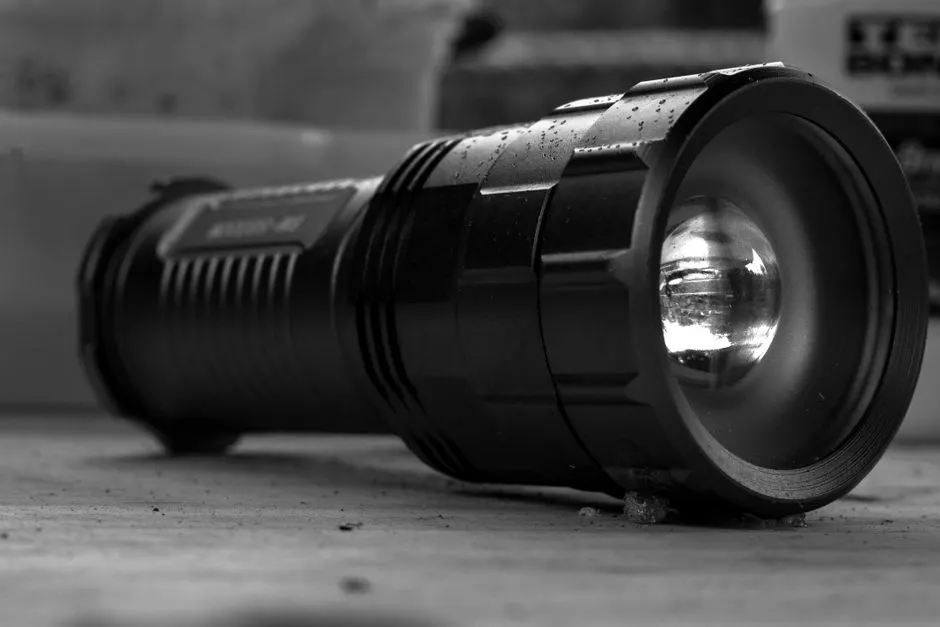
What you look for during a crawl space inspection in McLean comes down to six categories: moisture, mold, wood condition, insulation, vapor barrier, and pests. Bring a flashlight, a moisture meter, and a respirator. Do not go in without a mask.
Here is the checklist we use on every job:
- Moisture. Touch the joists and subfloor. They should feel dry. Anything damp, or any reading above 20 percent on a meter, is a problem.
- Mold. Look for black, green, or white fuzzy patches on wood, insulation, and the foundation walls. Musty smell counts even if you cannot see it.
- Wood condition. Probe the joists and beams with a screwdriver. If it sinks in easily, the wood is rotting.
- Insulation. Sagging, falling, or dark-stained insulation means it has been wet. It needs to come out.
- Vapor barrier. It should cover 100 percent of the floor with sealed seams and run up the walls 6 inches. Gaps and tears let ground moisture straight into the air.
- Pests. Droppings, gnaw marks, mud tubes (termites), and dead insects all point to activity.
Write down what you find and take photos. If you spot mold, do not disturb it. Disturbing mold without containment spreads spores through the house.
If you find active mold growth, the next step is usually Crawl Space Mold Testing McLean VA to identify the species and confirm the extent before anyone starts remediation.
How Much Does a Crawl Space Inspection Cost in McLean VA?
A crawl space inspection in McLean VA costs between $150 and $450 in 2026, depending on the size of the crawl space, whether mold testing is included, and whether the inspector has to crawl or can walk the space. A basic visual inspection with a moisture report runs $150 to $250. A full inspection with air sampling and lab analysis runs $350 to $450.
Compare that to the cost of remediation. Cleaning up a moderate mold problem across a 1,200-square-foot crawl space runs $2,500 to $6,000. If the joists need repair, add another $1,500 to $4,000. If the insulation has to be removed and replaced, add $1,200 to $3,000.
The math is simple. A $200 inspection twice a year costs $400 annually. Catching a moisture problem at the inspection stage costs a few hundred dollars to fix. Catching it two years later costs thousands.
We quote inspections upfront, and we do not charge extra for a crawl space that turns out to be difficult to access. You get the number before we go under the house.
Can You Inspect Your Crawl Space Yourself?
Yes, you can inspect your own crawl space, and for a healthy home on a twice-a-year schedule, self-inspection is fine. You need a bright flashlight, a moisture meter ($30 to $60 online), a respirator, knee pads, and a phone for photos. Budget 30 to 45 minutes for a typical 1,000-square-foot crawl space.
What you cannot do yourself is test for mold species, measure airborne spore counts, or assess structural damage with any confidence. Those require lab work and experience. If your self-inspection turns up mold, soft wood, or standing water, that is the point where you call us.
One safety note: never enter a crawl space with standing water if you can see exposed wiring or junction boxes. Call an electrician first.
For homeowners who would rather not go under the house at all, our crawl space mold inspection near me service exists for exactly that reason. We handle the crawl, the meter readings, and the report.
Common Mistakes We See Homeowners Make
The biggest mistake we see is treating the crawl space as out of sight, out of mind until something smells. By the time you smell mold in the living room, the colony has been growing for months.
Other mistakes we run into constantly:
- Spraying bleach on mold. Bleach kills surface mold on non-porous surfaces. On wood and insulation, it does nothing to the roots and adds moisture to the problem.
- Running a box fan in the crawl space. This circulates spores into the living space above. It does not dry the space out.
- Opening crawl space vents in summer. In McLean's climate, open vents pull humid outside air into a cool crawl space, where it condenses on the joists. That is the opposite of what you want.
- Ignoring a small leak. A pinhole in a supply line can dump 50 gallons a day into the soil under your house.
- Skipping the inspection after a wet winter. The damage shows up in spring, not in January.
If you have already made one of these mistakes, it is not the end of the world. Most of the damage we see is reversible with the right Crawl Space Mold Treatment McLean VA and a proper moisture fix.
When to Call a Professional
Call a professional when you find visible mold, soft or rotting wood, standing water, or a musty smell that will not go away. Those four signs mean the problem has moved past what a homeowner can fix with a dehumidifier and a weekend of work.
At TerraVault Restoration, we handle the full job: inspection, testing, mold removal, moisture control, and the encapsulation or drainage work that keeps the problem from coming back. We work in McLean and the surrounding Northern Virginia area, and we have seen every crawl space configuration this region has to offer.
If you are not sure whether your situation warrants a call, it probably does. A 15-minute conversation is cheaper than a remediation bill.
Frequently Asked Questions
How often should I inspect my crawl space in McLean VA?
Twice a year minimum, in late fall and early spring. If your home has had moisture, mold, or pest issues before, inspect quarterly. McLean's humid summers and clay soil make crawl spaces here more prone to moisture than the national average.
What should I look for during a crawl space inspection in McLean?
Check six things: moisture on joists and subfloor, visible mold, soft or rotting wood, sagging insulation, gaps in the vapor barrier, and signs of pests. Bring a moisture meter and a respirator. Anything above 20 percent moisture on wood is a problem.
How much does a crawl space inspection cost in McLean VA?
Between $150 and $450 in 2026. A basic visual inspection with a moisture report runs $150 to $250. A full inspection with air sampling and lab analysis runs $350 to $450. We quote upfront before we go under the house.
Can I inspect my crawl space myself in McLean?
Yes, for a healthy home on a twice-a-year schedule. You need a flashlight, moisture meter, respirator, and about 30 to 45 minutes. You cannot test for mold species or assess structural damage yourself, so call a professional if you find mold or soft wood.
How long does a crawl space inspection take in McLean VA?
A typical inspection takes 45 minutes to 2 hours, depending on crawl space size and accessibility. Add 24 to 48 hours if air sampling is included, since those samples go to a lab for analysis.
Get Help with Crawl Space Mold Removal in McLean
If your inspection turned up mold, moisture, or wood rot, we can take it from here. TerraVault Restoration handles crawl space mold removal in McLean from inspection through final clearance.
Call (571) 773-0698 to schedule your inspection. We will tell you what we find, what it costs to fix, and how to keep it from coming back.